by Dr. Mark Creech
Return America
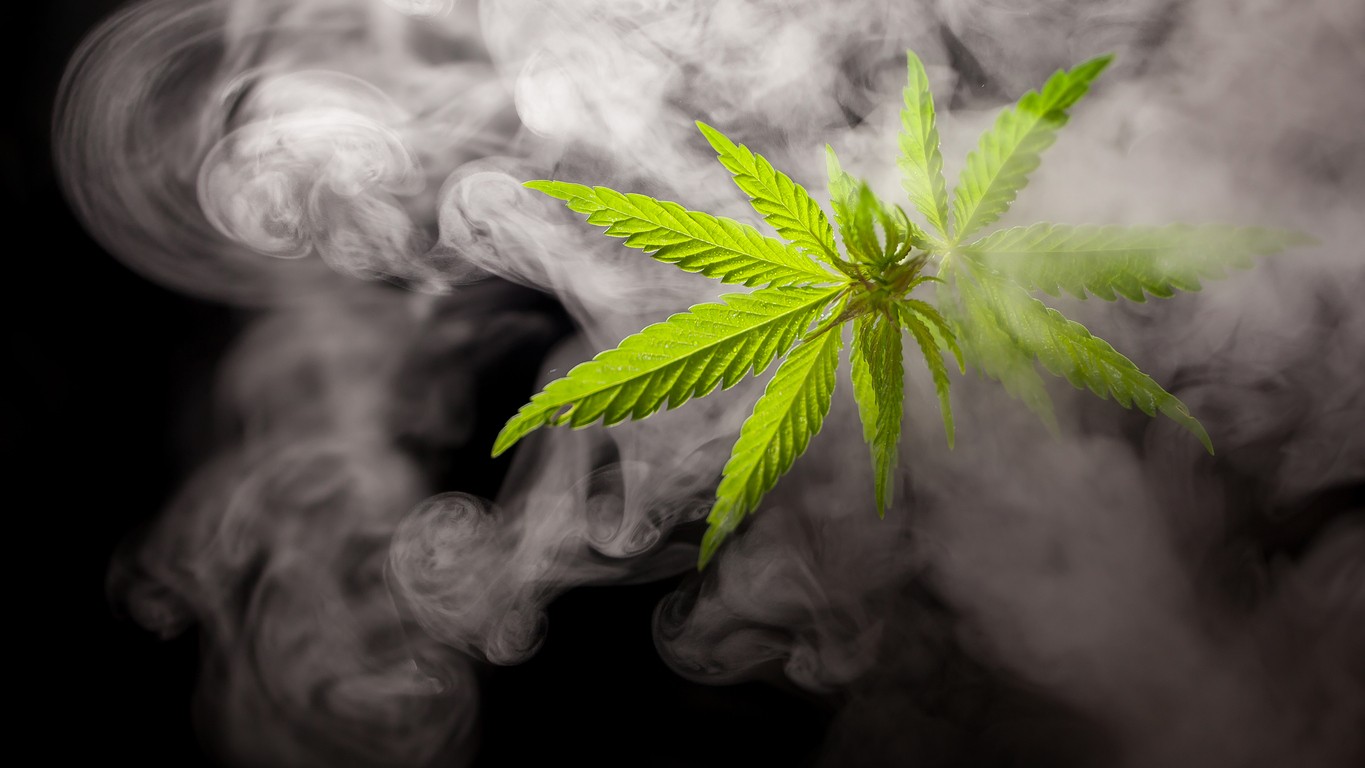
This week, marijuana once again surged to the center of national debate after President Donald Trump signed an executive order directing federal agencies to move cannabis from Schedule I to Schedule III under the Controlled Substances Act. While the move stops short of federal legalization, it marks one of the most consequential shifts in federal drug policy in decades, and it should concern anyone paying attention to the moral, medical, and societal costs of marijuana.
Supporters are already hailing the decision as compassionate and pragmatic. In reality, it opens the door wider to commercialization, normalization, and profit-driven expansion of an industry that has consistently minimized risks while overstating benefits.
Rescheduling marijuana does not make it harmless. It does, however, make it more lucrative.
Under Schedule III, marijuana businesses would no longer be subject to IRS Section 280E, which currently prevents drug traffickers from deducting business expenses. As Smart Approaches to Marijuana (SAM) has warned, this single change would dramatically increase profit margins that will fuel more advertising, more retail expansion, and greater cultural saturation. In short, rescheduling accelerates normalization, not caution. That is precisely why legislation such as S. 471, the No Deductions for Marijuana Businesses Act, has been proposed in Congress: to prevent tax policy from becoming a subsidy for social harm.
Nationally, the reaction has been mixed. Industry advocates and legalization activists applaud the move as overdue. Critics rightly note that it fails to resolve serious public-health concerns, creates confusion between state and federal law, and does nothing to address impaired driving, addiction, or the growing medical fallout now being seen in emergency rooms across the country.
Even as federal policy shifts, local governments are responding to the lived consequences. Cities that once welcomed legalization are now banning public marijuana smoking due to quality-of-life complaints, public intoxication, and pervasive odor. The honeymoon phase is starting to end.
One of the most apparent signs of marijuana’s medical downside is the rise of Cannabis Hyperemesis Syndrome (CHS), which is a condition now severe enough that the World Health Organization and the U.S. Centers for Disease Control and Prevention have given it its own diagnostic code.
CHS is linked to chronic marijuana use and is characterized by relentless nausea, severe vomiting, abdominal pain, weight loss, and dehydration. Some patients suffer for months or even years before receiving an accurate diagnosis. Rare but documented complications include heart rhythm abnormalities, kidney failure, seizures, and even death.
Emergency room visits related to CHS have skyrocketed. A major study published in JAMA Network found that CHS-related ER visits increased by approximately 650 percent between 2016 and the pandemic years, particularly among adults aged 18 to 35. Researchers point to increased access to high-potency cannabis, often exceeding 20 percent THC, compared to about 5 percent in the 1990s, as a significant factor.
Many sufferers resort to compulsive hot showers for temporary relief, sometimes for hours a day. Yet the Cleveland Clinic is blunt about the cure: the only permanent treatment is complete cessation of cannabis use. Smoked marijuana is not medicine. It is pathology.
Meanwhile, claims about marijuana’s broad medical benefits continue to collapse under closer scrutiny. A sweeping new review published in JAMA, analyzing more than 2,500 studies from the past 15 years, found that evidence supporting most medical uses of cannabis is limited or insufficient. Apart from a small number of FDA-approved cannabinoid medications for chemotherapy-induced nausea, HIV-related appetite loss, and certain rare seizure disorders, there is little high-quality evidence supporting marijuana for chronic pain, anxiety, insomnia, or PTSD.
The review also raised red flags about increased risks of psychosis, anxiety disorders, cardiovascular disease, heart attack, and stroke, especially with daily inhaled use and high-potency products. Marijuana, researchers concluded, is not a panacea. Patients deserve honesty, not hype.
This national debate is especially relevant in North Carolina.
Despite repeated attempts, North Carolina has not legalized medical marijuana statewide. Limited low-THC use is allowed for intractable epilepsy, and a medical cannabis program operates on the tribal lands of the Eastern Band of Cherokee Indians. Beyond that, fortunately, and in part, because of the opposition of social conservative groups like Return America, proposals remain stalled.
House Bill 413 – Marijuana Legalization and Reinvestment Act, which would broadly legalize and regulate marijuana, sits in committee. A narrower research-based proposal, HB 984 – Regulate Research of Medical Cannabis, has also failed to advance. In prior sessions, the Senate passed medical marijuana legislation only to see it die in the House. An advisory council created by Governor Josh Stein is studying the issue, but no comprehensive program has been enacted.
Public polling shows support, but public opinion does not determine medical truth or moral wisdom.
The Christian Medical and Dental Association (CMDA) has offered one of the clearest and most responsible voices in this debate. CMDA distinguishes sharply between FDA-approved, pharmaceutical-grade cannabinoid medications and what is commonly called “medical marijuana.”
CMDA warns that state legalization of medical marijuana has bypassed rigorous FDA standards for dosing, safety, production, packaging, and monitoring. Conditions are approved despite inadequate research. False advertising misleads vulnerable patients. Addiction risk increases. Psychosis and mental impairment rise. Lung damage occurs when marijuana is smoked. Pregnant women and unborn children face added risks. Dispensaries increase access for minors. Emergency room visits among marijuana-intoxicated children increase. Moreover, historically, medical marijuana has functioned as a stepping stone to full recreational legalization.
From a biblical perspective, CMDA reminds us that Scripture speaks to stewardship of the body, the promotion of genuine good, and the role of civil authority. While the Bible does not dictate every policy choice, it does call us to sobriety, truth, and protection of the vulnerable.
The debate over marijuana is not merely about compassion or freedom. It is about evidence, consequences, and responsibility. The record from legalized states is growing clearer by the year: higher potency, higher addiction rates, higher emergency room visits, and higher social costs.
President Trump’s action may dominate the headlines this week, but North Carolina and the nation must resist the illusion that marijuana has somehow become safe, therapeutic, or benign. It has not! It should be reiterated: It has not!!!
Legalizing marijuana, whether recreationally or under the misleading banner of “medicine,” is not progress. It is a surrender of public health, moral clarity, and common sense.
Christians in North Carolina should not be passive observers as this debate unfolds. We must be informed, articulate, and prepared to speak when called upon, whether in conversations with lawmakers, in churches, or within our communities, to oppose efforts to legalize marijuana in the Tar Heel State. Silence in the face of mounting evidence is not neutrality; it is abdication.
Above all, this issue must be carried consistently before the Lord in prayer. We should pray for wisdom and courage among public officials, for protection of our children and vulnerable neighbors, and for the defeat of the expanding influence of the marijuana industry, whose financial ambitions now outpace its concern for public health. Policies shaped by profit rather than truth will always leave damage in their wake. The Church must respond not with fear, but with conviction, anchored in truth, compassion, and a sober love for the common good.