Dear House ABC Committee Member,
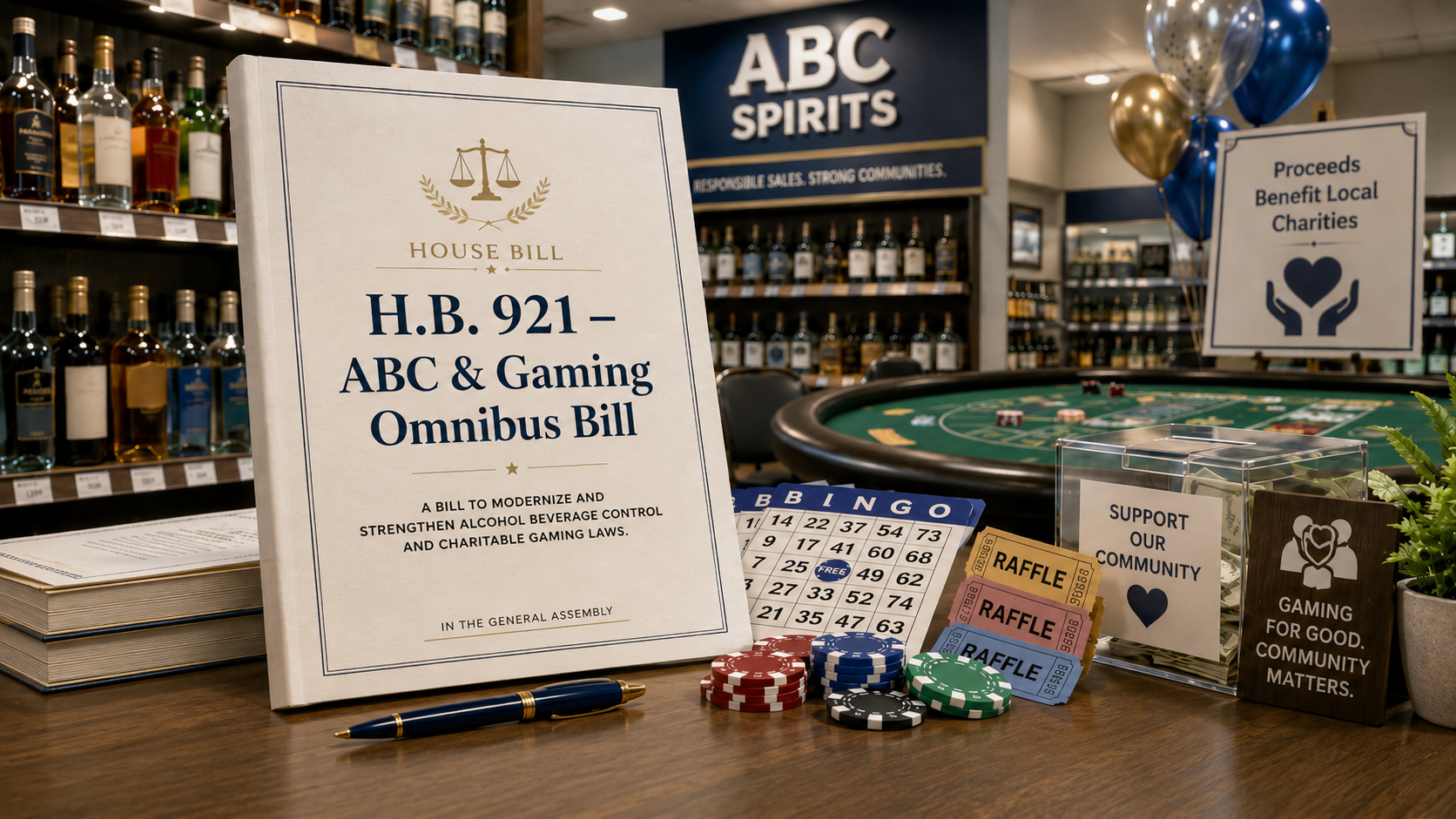
I am writing to respectfully share serious concerns about H.B. 921 – ABC & Gaming Omnibus Bill.
Many of the measure’s provisions would substantially expand alcohol access, alcohol promotion, and the conditions that contribute to excessive drinking and alcohol-related harm in North Carolina. The bill also expands gambling-related activity by increasing game-night opportunities and loosening restrictions on 50/50 raffles. Taken together, these provisions move our state away from the principles of public control, public health, and community protection.
The attached summary identifies ten areas of alcohol-related concern, including premixed cocktails, Sunday ABC sales, temporary drink-price promotions, two-drinks-at-a-time service, service business permits, in-stand concert sales, social district expansion, mobile bar and temporary permit changes, ABC Commission membership changes, and nonprofit alcohol fundraising.
Return America’s concern is not with responsible adults, legitimate businesses, or worthy charitable causes. Our concern is that public policy should not make alcohol easier to buy, easier to serve, easier to promote, and easier to consume when excessive alcohol use is already causing serious harm to North Carolina families and communities. Nor should public policy further normalize gambling as a routine fundraising tool in civic and charitable life.
North Carolina’s ABC system exists for a reason. It is not merely a retail system; it is a public-control system designed to balance commerce with public health and safety. H.B. 921 shifts that balance too far toward alcohol expansion and away from community protection.
Return America is also concerned that the gaming provisions would move gambling-style activity from a limited exception toward a more common and accepted feature of community fundraising. A charitable or governmental purpose does not remove the risks of gambling normalization, youth exposure, and problem gambling.
Return America respectfully asks you to review the attached concerns carefully and oppose these provisions unless they are removed or substantially amended.
Thank you for your service and for your consideration.
Respectfully,
Rev. Mark Creech
Director of Government Relations
Return America
Primary Public Health and Safety Concerns About the H.B. 921
1. Premixed cocktails and the weakening of the ABC liquor-control model
What the bill does:
The PCS creates an extensive new regulatory and commercial structure for premixed cocktails. It authorizes premixed cocktail wholesalers, nonresident premixed cocktail vendors, special event permits, pricing rules, distribution rules, and a new “Premixed Cocktail Franchise Law.” It also says ABC Commission rules on the possession, consumption, and sale of malt beverages shall apply equally to premixed cocktails.
Where it is in the bill:
Primarily Section 22
Public health and safety concern:
Premixed cocktails may sound like a technical category, but if they are liquor-based, they belong in the same control conversation as spirituous liquor. The concern is that the measure creates a parallel commercial pathway for liquor-based products outside the traditional ABC store model. That increases the number of access points, complicates enforcement, and weakens one of the strongest safeguards against underage access: the fact that spirituous liquor is ordinarily sold through stand-alone, ABC stores.
Premixed cocktails also create a visibility problem. Traditional liquor service is more obvious because bottles are stored, measured, and poured behind the bar. Premixed cocktails may be sweet, flavored, portable, and marketed like ready-to-drink beverages, making alcohol strength less visible to young people, parents, servers, and enforcement officers.
2. Sunday ABC sales without direct voter approval
What the bill does:
The PCS allows ABC stores to open on Sundays if Sunday sales are authorized by local or tribal ordinance. Where authorized, stores could not open before 10:00 a.m. if the local “brunch bill” ordinance applies, or before noon otherwise.
Where it is in the bill:
Section 5
Public health and safety concern:
Sunday liquor sales add another day of access to spirituous liquor and remove a weekly public-health pause. That pause does not stop every purchase, but it reduces convenience, interrupts impulse buying, slows restocking, and preserves one day when the state is not expanding access to the strongest alcoholic products.
Sunday ABC sales raise a serious local-control problem. ABC stores exist in communities because voters approved them in local option elections. The final say has always belonged to the people. House Bill 921 would allow local officials to authorize Sunday sales upon a petition from the ABC board, without returning the question to the voters. That is not true local control. It shifts the decision from the community as a whole to a much smaller group of decision-makers.
3. Happy-hour-style temporary drink pricing
What the bill does:
The PCS allows on-premises permittees to offer temporary pricing adjustments on alcoholic beverages for a specified and limited period within a single business day. It also allows those price adjustments to be publicly posted and advertised through outside signage, newspapers, radio, television, and other mass media.
Where it is in the bill:
Section 8
Public health and safety concern:
Time-limited drink discounts encourage customers to buy more or drink faster before the promotion ends. A lower price offered for a short period creates urgency and encourages stockpiling, rapid consumption, and binge drinking.
This also changes the business incentive. The purpose of a temporary alcohol discount is to increase sales volume during the promotional window, while the purpose of alcohol control is to encourage restraint. Those two goals are in tension, and advertising the discounts magnifies the risk by actively drawing people to drink because of the special price.
4. Two drinks at one time
What the bill does:
The PCS allows on-premises permittees to sell and deliver up to two alcoholic beverage drinks at one time to a single patron. The bill removes the existing one-drink limit for mixed beverages or drinks containing spirituous liquor.
Where it is in the bill:
Section 12
Public health and safety concern:
A one-drink-at-a-time structure slows consumption and gives servers more opportunities to observe intoxication before serving more alcohol. Allowing two drinks at once reduces those checkpoints and gives patrons more alcohol with fewer interactions.
This is especially concerning during drink promotions, near last call, in crowded venues, and in social districts. In those settings, two drinks at once can encourage stockpiling and make it harder for staff to monitor impairment, over-service, or sharing with underage persons.
5. Service business permits
What the bill does:
The PCS creates a new service business permit for businesses primarily engaged in licensed services to furnish complimentary malt beverages and unfortified wine to customers on the premises. It limits service to two servings per customer per calendar day, with a serving defined as 16 ounces of malt beverage or 8 ounces of unfortified wine.
Where it is in the bill:
Section 17
Public health and safety concern:
This moves alcohol into businesses whose primary purpose is not alcohol service. Even when alcohol is “complimentary,” it still increases availability, normalizes drinking in ordinary service settings, and creates monitoring problems in places that may not have a strong alcohol-service culture.
A customer receiving alcohol in a salon, spa, or similar licensed service business may still drive afterward. Staff in these settings may not be as experienced in checking identification, recognizing intoxication, refusing service, or managing alcohol-related incidents.
6. In-stand concert sales
What the bill does:
The PCS allows retail permittees to sell malt beverages in seating areas of stadiums, ballparks, theaters, amphitheaters, and similar public places with seating capacity of 3,000 or more during concerts or professional sporting events. The bill includes conditions such as food and nonalcoholic beverage availability and employee training to identify underage and intoxicated persons.
Where it is in the bill:
Section 27
Public health and safety concern:
In-stand sales reduce the friction of obtaining alcohol in large, crowded venues. Patrons no longer have to leave their seats to purchase alcohol, which can make drinking more continuous throughout an event.
Large entertainment venues already pose challenges for monitoring intoxication, preventing underage access, and managing crowd behavior. In-seat alcohol service can make those challenges harder, especially when thousands of people leave at once, and many will be driving.
7. Social district expansion
What the bill does:
The PCS allows a permittee or non-permittee business in a social district to let customers possess and consume alcoholic beverages purchased from a permittee in the social district. It also allows a permittee business not permitted to sell mixed beverages to let customers consume mixed beverages purchased from a mixed-beverage permittee in the district.
Where it is in the bill:
Section 9
Public health and safety concern:
This further separates the place where alcohol is sold from the place where it is consumed. That weakens accountability because the business hosting consumption may not be the same permittee that checked ID, served the drink, monitored the patron, or bears responsibility for over-service.
Social districts already make alcohol more mobile. Allowing consumption inside businesses that did not sell the drink expands the drinking environment and makes it harder to know who is responsible when alcohol is shared with minors, consumed by an impaired person, or involved in public disorder.
8. Mobile bar and temporary permit expansion
What the bill does:
The PCS modifies the mobile bar services permit to allow alcohol service at events on premises not permitted by ABC and at events occurring on premises owned or possessed by the mobile bar permit holder. It also allows temporary permit applicants to submit a sworn affidavit in place of completed local inspection, zoning, and local-government opinion approvals, so long as those approvals or denials are later submitted.
Where it is in the bill:
Section 2
Public health and safety concern:
Alcohol regulation works best in known, inspected, accountable locations. Mobile bars and temporary permits move alcohol service into changing, crowded, short-term settings where oversight, enforcement, and accountability are more difficult.
Temporary events may involve volunteers, unfamiliar venues, outdoor spaces, mixed-age crowds, and multiple entrances and exits. If alcohol service is allowed before local inspections, zoning review, or local-government input is complete, the state may discover problems only after alcohol has already been served.
9. ABC Commission industry representation
What the bill does:
The PCS expands the ABC Commission from a chair and two associate members to a chair and four associate members. Two of the associate members would be current or former holders of retail or commercial ABC permits, appointed by the Senate President Pro Tempore and the Speaker of the House.
Where it is in the bill:
Section 14
Public health and safety concern:
The ABC Commission regulates the alcohol industry and administers the state’s control system. Adding seats specifically for current or former permit holders risks giving the regulated industry a stronger voice inside the regulatory body.
The concern is not that industry experience has no value. The concern is balance. If the Commission is expanded to include industry representation, lawmakers should ask why public health, addiction prevention, law enforcement, and recovery voices are not given comparable representation.
10. Nonprofit alcohol fundraising
What the bill does:
The PCS clarifies when nonprofit organizations need special one-time permits for certain fundraising events and allows nonprofit organizations to offer alcoholic beverages in the manufacturer’s original closed container as raffle prizes or sell alcoholic beverages in original closed containers at auction at ticketed events.
Where it is in the bill:
Section 10
Public health and safety concern:
A charitable purpose does not eliminate the risks of intoxication, impaired driving, underage exposure, or alcohol misuse. Alcohol carries the same risks whether it is sold by a commercial business or used to raise money for a good cause.
Allowing alcohol raffles and auctions also turns alcohol itself into a prize. Once a closed container leaves the event, the nonprofit no longer controls who consumes it, whether it is shared with minors, or whether it contributes to impaired driving or other harms.
Gaming Concerns in H.B. 921
What the bill does:
H.B. 921 expands game-night events by increasing the number an exempt organization may conduct or sponsor from 4 per year to 24 per year. It also removes major restrictions on nonprofit and government 50/50 raffles, including limits on the number of raffles, prize caps, annual prize totals, and other guardrails.
This appears in Section 29
Public concern:
Return America opposes the normalization of gambling in North Carolina’s civic and charitable life. These provisions would take gambling-related activity that is currently treated as a limited exception and make it more frequent, more visible, and less restrained.
A charitable or governmental purpose does not remove the social risks of gambling. Expanding game nights and loosening raffle limits can normalize chance-based wagering, increase youth exposure, encourage impulse participation, and move communities toward seeing gambling as an ordinary fundraising tool.
Contact:
Rev. Mark Creech
919.915.3033
mark@revmarkcreech.org