Starting Tuesday, High-Stakes Issues Take Center Stage
by Dr. Mark Creech
Director of Government Relations
Return America
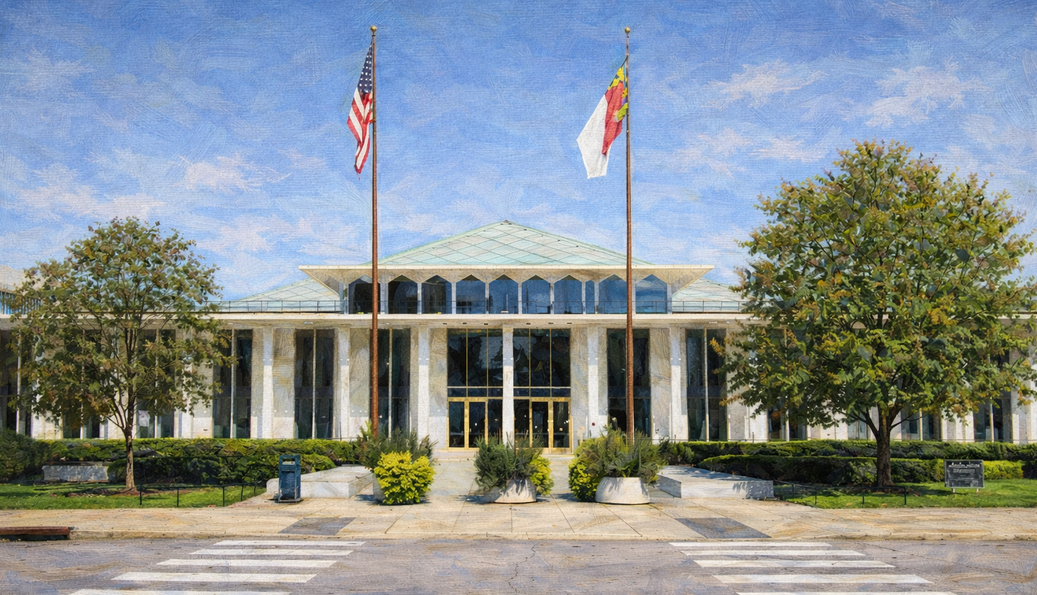
The North Carolina General Assembly will return to Raleigh for its short session on Tuesday, April 21, with the primary goal of addressing unfinished business from last year. While short sessions are typically more limited in scope, this one is shaping up to carry significant weight, given the proposals that could emerge along the way.
The Ongoing Budget Stalemate
Perhaps the most pressing matter is the state budget, which remains unsettled. This has created ongoing challenges for state agencies and local school systems that depend on stable funding. Lawmakers continue to debate key issues such as Medicaid funding, teacher pay increases, and tax policy. While there is growing pressure to reach an agreement, especially with elections on the horizon, disagreements, particularly over tax cuts, have kept a final deal out of reach. In an environment like this, major policy items are sometimes folded into broader negotiations, raising the possibility that unrelated or controversial measures could be included in a final compromise.
Shifting Political Dynamics
This session will also be influenced by a unique political environment. Several legislators who lost their primary elections will still be serving, meaning they are no longer accountable to voters and may feel freer to vote differently than they otherwise would – something that could possibly contribute to the success of veto override votes. At the same time, this marks the final session for Senate leader Phil Berger after many years in that role, and questions remain about how leadership changes could affect unity and decision-making within the legislature. These shifting dynamics can make outcomes less predictable and open the door for unexpected alliances or policy concessions.
Key Legislation
Although Short Session rules generally limit consideration to bills that have already passed one chamber, lawmakers often find ways to revisit or reshape legislation, and even revive proposals that are technically dead. Several of these issues could resurface, including renewed efforts to legalize or expand access to medical cannabis. While no recreational marijuana bill is currently listed among actionable measures, recent recommendations from a state advisory council and past Senate support for medical marijuana suggest there could be a strong push to advance broader legalization, especially if it becomes part of larger negotiations surrounding the state budget or some other matter of great desire by one of the chambers. Lawmakers may also revisit competing approaches to substances like Kratom – one proposal to regulate it and another to ban it altogether – as well as expanded gambling policies, religious property tax exemptions, student access to extracurricular activities, and stricter oversight of vaping and nicotine products.
In addition, several bills are poised for potential veto override votes, including legislation on permitless concealed carry, immigration enforcement, and participation in a federal school-choice tax credit program. With some legislative turnover underway, there is speculation that the balance of votes, particularly in the House, could shift enough to allow certain overrides to succeed.
Below is a list of bills that remain eligible for consideration. Lawmakers could take up some of these or possibly all of them.
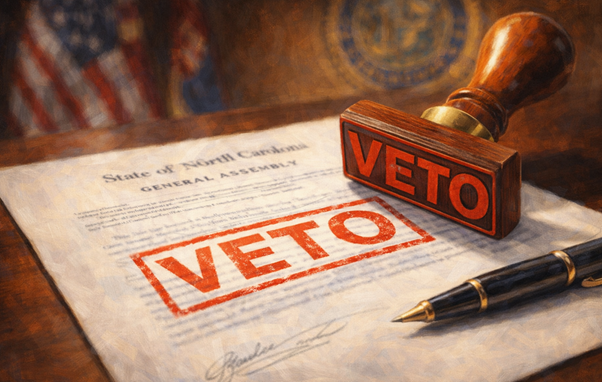
Veto Overrides Pending
HB 87 – Educational Choice for Children Act (ECCA)
This bill allows North Carolina to participate in a federal tax credit program that encourages individuals to donate to scholarship-granting organizations. It requires the State Education Assistance Authority to certify and publish a list of eligible organizations, which can then provide scholarships for K–12 education expenses, including private and homeschool costs.
HB 171 – Equality in State Agencies/Prohibition on DEI
This bill prohibits state agencies, local governments, and certain public institutions from promoting, funding, or implementing diversity, equity, and inclusion (DEI) programs, including those related to hiring, training, or workplace policies. It establishes enforcement mechanisms such as audits and penalties for violations, while clarifying that existing anti-discrimination laws and constitutional protections still apply.
This bill allows individuals aged 18 and older who are not otherwise prohibited by law to carry a concealed handgun without a permit in North Carolina, while retaining the permit system as optional for reciprocity with other states. It also strengthens criminal penalties for firearm-related offenses (especially involving felons or assaults on law enforcement) and increases benefits and support programs for families of fallen or disabled first responders.
SB 153 – North Carolina Border Protection Act
This bill strengthens immigration enforcement in North Carolina by requiring state and local law enforcement agencies to cooperate with federal immigration authorities and share information. It also restricts state-funded benefits – such as public assistance, housing, and unemployment benefits to individuals legally present in the U.S., and prohibits “sanctuary” policies by local governments and UNC institutions.
SB 227 – Eliminating “DEI” in Public Education
This bill prohibits North Carolina public schools from promoting or requiring diversity, equity, and inclusion (DEI) programs or what it defines as “divisive concepts” related to race or sex. It bars schools from requiring related instruction or training, eliminates DEI offices or staff roles, and restricts policies or practices that treat individuals differently based on protected characteristics, while still allowing neutral instruction on historical topics.
SB 558 – Eliminating “DEI” in Public Higher Education
This bill prohibits UNC system schools and community colleges from promoting or maintaining diversity, equity, and inclusion (DEI) programs or endorsing certain “divisive concepts,” and bars institutions from requiring related training or coursework. It also restricts the creation of DEI offices or staff roles and requires schools to certify their compliance, while allowing discussion of such topics in an academic context, provided the institution does not endorse them.
*******
Passed one chamber (still eligible for consideration)
HB 519 – Parents’ Medical Bill of Rights
Limits when minors can receive medical care without parental consent, generally restricting it to emergencies. It also expands parental access to medical records and requires consent for certain vaccines not fully FDA-approved.
HB 636 – Promoting Wholesome Content for Students
Requires schools to review and approve all library materials through committees and remove content deemed inappropriate. It also allows public challenges to materials and creates legal consequences for noncompliance.
HB 16 – General Assembly: In God We Trust – Display
Would require displaying “In God We Trust” in the House and Senate chambers. Funding would rely first on private donations before using taxpayer funds.
HB 328 – Regulate Hemp-Derived Consumables
This bill establishes a comprehensive regulatory system for hemp-derived consumable products (such as delta-8 and similar items), including licensing requirements for manufacturers and retailers, mandatory product testing, labeling requirements, and strict packaging standards. It prohibits sales to anyone under 21, establishes criminal penalties and fines for violations, and gives law enforcement authority to track products from production to sale.
*******
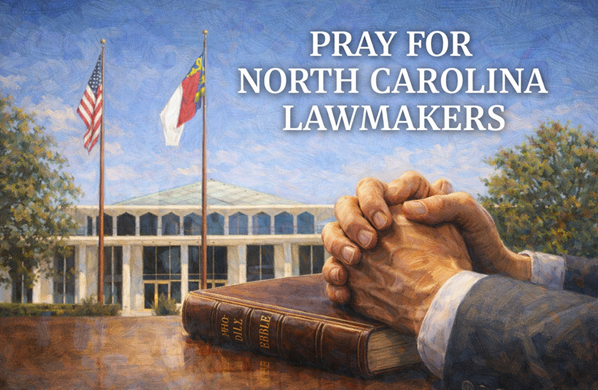
A Call to Prayer
As these important decisions unfold in Raleigh, this is not only a time for awareness and engagement but also a time for earnest prayer. Scripture reminds us that God is sovereign over the affairs of men and that we are called to intercede for those in authority.
The Apostle Paul writes:
“I exhort therefore, that, first of all, supplications, prayers, intercessions, and giving of thanks, be made for all men; for kings, and for all that are in authority; that we may lead a quiet and peaceable life in all godliness and honesty.”
— 1 Timothy 2:1–2
Christians and churches across North Carolina should be in prayer for our elected leaders. Let’s pray that they would exercise wisdom, uphold justice, and govern in a way that honors what is right. We should also pray that harmful policies would be restrained and that truth would prevail in the decisions made during this critical session.