
by Rev. Mark Creech
RevMarkCreech
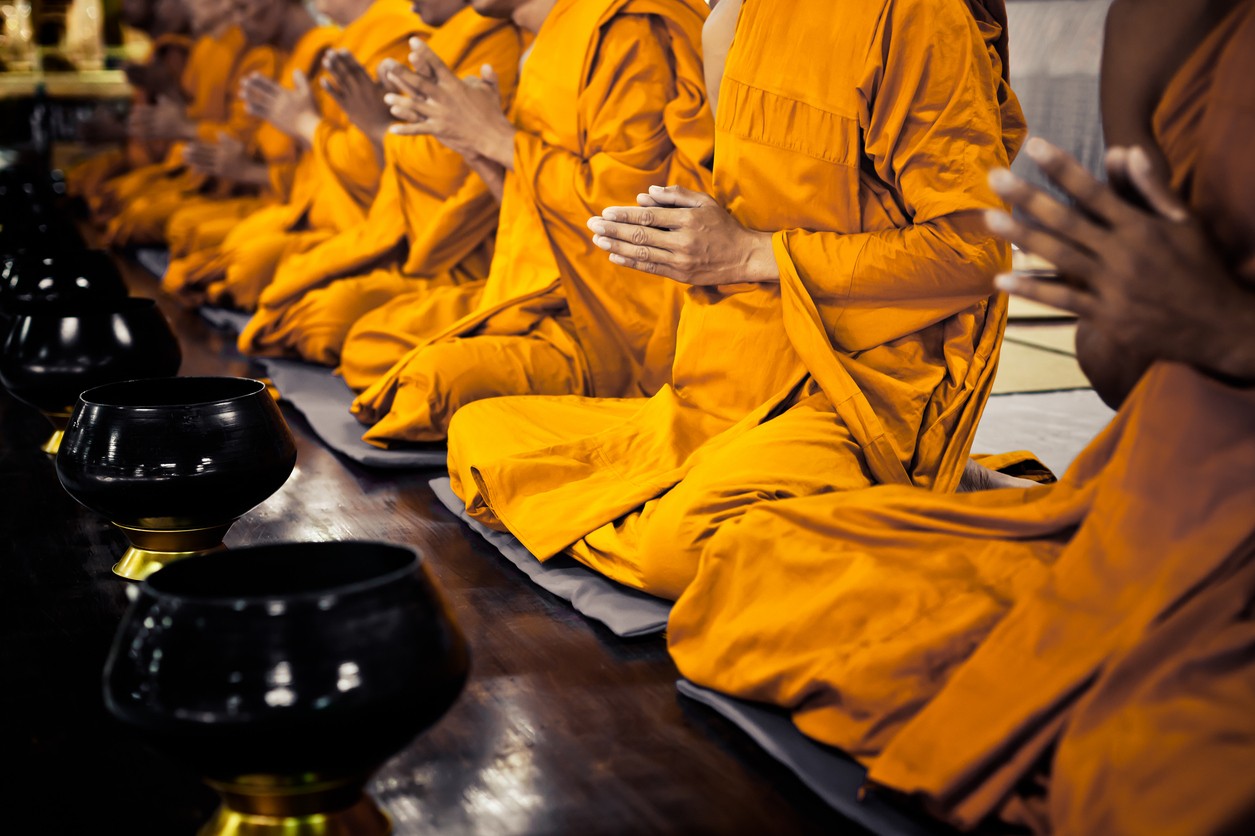
In recent weeks, North Carolinians have watched an unusual sight unfold along our highways and through our towns: Buddhist monks walking in silence, clad in saffron robes, marching for peace. Their discipline is striking. Their commitment is undeniable. Many who have encountered them have responded with admiration, curiosity, and even reverence.
The sincerity of the monks should not be questioned. But sincerity alone does not settle a far more important question: what actually brings peace?
That question matters because peace is not merely a disposition or a momentary calm. It is not the absence of noise, conflict, or tension. Peace, as the Bible defines it, is something far deeper and far more demanding. It is reconciliation, first with God, and then with one another.
The Bible declares plainly, “Therefore being justified by faith, we have peace with God through our Lord Jesus Christ” (Romans 5:1, KJV). According to the Christian faith, peace is not something we generate from within ourselves; it is something we receive when the fundamental breach between man and God is healed.
This is precisely where Buddhism, despite its moral seriousness and ascetic discipline, falls short.
Buddhism diagnoses the human problem as suffering caused by desire and ignorance. If desire can be extinguished and the illusion of the self dissolved, peace is said to follow. Christianity, however, identifies a far more troubling diagnosis. Scripture teaches that the unrest of the human heart flows from sin – moral rebellion against a holy God.
“From whence come wars and fightings among you? come they not hence, even of your lusts that war in your members?” (James 4:1).
According to the Bible, conflict is not merely psychological or emotional; it is moral and spiritual. It cannot be meditated away. It must be addressed, confessed, and forgiven.
Buddhism has no category for sin in the biblical sense, and therefore no category for forgiveness. There is no holy God to whom one is accountable. There is no guilt to be pardoned. There is no broken relationship to be restored. Where guilt remains unresolved, peace can never be secure – only temporary. One may quiet the mind for a season, but the conscience will not be silenced indefinitely.
Nor does Buddhism offer reconciliation. It offers self-discipline, self-denial, and self-effort, but ultimately, it turns inward. The burden of enlightenment rests squarely on the individual. Peace must be achieved, earned, and attained through relentless practice.
Christianity says precisely the opposite.
“For by grace are ye saved through faith; and that not of yourselves: it is the gift of God: not of works” (Ephesians 2:8–9, KJV).
The late Billy Graham captured this truth with remarkable clarity in his book The Secret of Happiness. Writing about peace movements and global unrest, he observed:
“The only corrective measure in establishing peace is for men as individuals to know the peace of God. Though I am not averse to movements which strive in one way or another for world peace, I have a strong conviction that such peace will never come unless there is a spiritual dynamic at the core.
“I pray for wars to cease just as I pray for crime to stop; but I know that the basic cause of both crime and war is the inherent sinfulness of human nature.
“When Jesus told Nicodemus that he ‘must be born again,’ He was addressing not only this great Jewish teacher but all of us… The world cannot be reborn until men are born again and are at peace with God.
“Peacemaking is a noble vocation. But you can no more make peace in your own strength than a mason can build a wall without a trowel… To be a peacemaker, you must know the Peace-Giver. To make peace on earth, you must know the peace of heaven. You must know Him who ‘is our peace.’”
Dr. Graham’s insight exposes the central weakness of all peace movements divorced from the gospel of Christ, including, however sincere, Buddhist monks marching for peace. Public demonstrations for peace are not new. History is crowded with rallies, sit-ins and sit-downs, pilgrimages, parades, and campaigns calling for harmony, yet violence persists, families fracture, and nations go to war. The problem is not a lack of effort in private or public life; it is a lack of transformation in the heart.
Jesus Himself acknowledged this distinction when He said, “Peace I leave with you, my peace I give unto you: not as the world giveth, give I unto you” (John 14:27). The peace Christ offers is not fragile. It does not depend on favorable conditions or endless introspection. It rests on an objective reality: sins atoned for, sins forgiven, sins cleansed, and a restored relationship with God that results in a transformed life – a life that relates to others with the same grace shown to us. This is real peace, lasting peace, and there is nothing that compares to it – nothing!
This does not mean Christians should sneer at the monks or dismiss their good intentions. Discipline, restraint, and concern for human suffering are virtues. But virtues alone cannot save. Moral earnestness without redemption cannot heal the world.
The monks may walk for peace, and many will admire them for it. But peace cannot be found by emptying the self or extinguishing desire. It comes only when the soul is reconciled to its Creator.
Until men make peace with God, no number of marches, however sincere, will ever bring peace to the world.